How to Prevent Pests From Your Basement in Scarborough
If you are dealing with basement insects in Scarborough, the problem is usually a blend of moisture, minor structural entry points, and seasonal activity from outside. Reliable pest control Scarborough homeowners can rely on starts with understanding why basements become appealing to pests in the first round, then using effective steps to reduce access, food, and nesting areas.
Basements are naturally vulnerable because they sit below grade, where moisture, cool air, and hidden gaps tend to build up. In Scarborough, sticky summers near Lake Ontario humidity, spring thaw, and freeze-thaw cycles can all make the problem worse. The good news is that with regular home maintenance and smart pest-proofing, most homeowners can dramatically prevent infestations and improve long-term protection.
Why cellars invite insects in Scarborough homes
Cellars provide the same setting many pests want: cover, darkness, dampness, and access to tiny entry points. In Scarborough, established houses may have unfinished basements, aging mortar, and visible foundation cracks that create easy pathways indoors. Even small hidden gaps around utility lines or concrete joints can let insects come and go unnoticed.
Soil contact around the foundation also plays a role. When damp soil stays pressed against lower walls, it raises the chances of moisture transfer and can support pests that live close to the building perimeter. This is especially true in low-lying parts of Scarborough and in areas near the lake, where drainage concerns may be more noticeable after heavy rain or snowmelt.
Many Ontario insects are drawn to exactly these environmental conditions. If your basement has persistent dampness, clutter, or minor leaks, it becomes much easier for pests to settle in. The combination of moisture management issues and structural openings makes basements a common starting point for pest activity.
Common below-grade insects to look out for
A number of species are particularly common in moist or enclosed basement spaces. Identifying what to look for can boost early detection and help you decide when basic prevention is enough and when you need a more complete response.
Silverfish often thrive in humid basements because they prefer dark, damp areas and feed on paper, glue, and other starchy materials. They may linger near storage shelves, behind baseboards, or inside cardboard. Their presence can point to weak humidity control or an accumulation of organic material nearby.
Earwigs are another frequent problem, especially when moist conditions persist around foundation walls, window wells, or basement access points. They often come inside from mulch, soil, or garden debris and can turn up after wet weather.
Carpet beetles are worth monitoring as well, particularly if your basement stores fabrics, rugs, clothing, or natural-fibre items. Their larvae can damage materials and often hide in undisturbed areas where dust control is insufficient.
Homeowners may also spot spiders, ants, and even cockroaches in basements, especially if the space provides nourishment, water, and refuge. These pests are often signs that the basement environment is harboring multiple insect attractants at once, not just one isolated issue.
How to seal access points as well as gaps
Sealing the basement is a top actions in keeping insects from coming inside. A good inspection should target every visible split, gap, and opening where pests could get inside. This includes the foundation, utility lines, vents, and openings around basement windows.
Use caulking to close small gaps around trim, joints, and fixed seams. For areas where materials move or give, weatherstripping can help reduce access around basement doors or windows. These are easy but reliable methods for lowering the number of entry points available to pests.
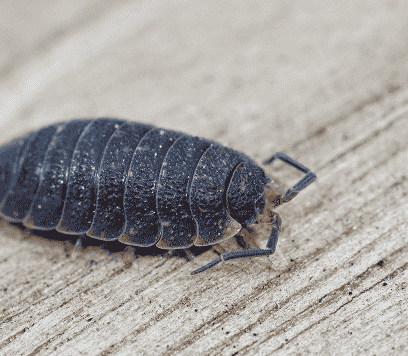
Be sure to inspect pipe penetrations. Openings around plumbing, electrical lines, and HVAC connections are common hidden gaps that insects use to move indoors. Even if the opening looks small, it can still be enough for pests such as silverfish, ants, and cockroaches.
Window wells need extra care in Scarborough homes, especially older properties where drainage or grading may not be ideal. If window wells collect leaves, soil, or standing water, they can become both an access route and a moisture source. Keeping them clear and sealed properly helps ease pest pressure and supports a more sealed foundation.
When sealing, think beyond just visible openings. A thorough inspection checklist should include the sill plate, floor-wall joints, utility entry points, and any cracks where light or air movement is noticeable. This kind of detailed pest-proofing is especially useful in homes with older construction or previous water issues.
Dampness reduction advice that limit bug activity
Reducing dampness is one of the quickest ways to make a basement less attractive to pests. Pests are highly responsive to environmental changes, and many infestations begin because the basement stays wet for too long. Careful moisture management can reduce shelter and make the space much less inviting.
A dehumidifier is often the best tool homeowners should use. It helps keep indoor humidity lower during humid summer weather and after heavy rainfall. In Scarborough, this is especially valuable because summer conditions near Lake Ontario humidity can keep basements damp for long stretches.
Your sump pump should also be checked frequently. If it malfunctions or cycles inefficiently, water can pool around the foundation and increase pest activity. A reliable sump pump supports interior drainage and helps prevent the damp conditions that attract silverfish, earwigs, and other pests.

Ventilation is important too. A basement that never gets fresh air may hold moisture, resulting in condensation on walls, pipes, and windows. Condensation on cold surfaces is a warning sign that humidity is too high and that the room may be creating the conditions pests need to thrive.
Look for leaks, damp insulation, and signs of water intrusion after storms or snowmelt. During spring thaw and after periods of heavy rain, water around the foundation can seep into lower-level spaces. Managing that moisture promptly helps prevent infestations before they begin.
How to keep things safely in the basement
Storage habits can create a big effect in whether a basement stays pest-free. Insects prefer undisturbed spaces, especially where they can hide in boxes, paper, and clutter. A tidy basement has fewer places for pests to settle and far fewer opportunities for food and shelter.
Use plastic storage bins instead of cardboard boxes whenever possible. Cardboard absorbs moisture, deteriorates over time, and creates a food source or nesting material for some insects. It also makes more hiding spots and makes it harder to inspect stored items for signs of activity.
Reducing clutter is just as important. Stacked items, unused furniture, and old textiles provide shelter for insects and make cleaning difficult. When belongings are spread out and elevated off the floor, it becomes easier to spot early warning signs and reduce harbourage.
Food should never be stored loosely in the basement. Proper food storage means sealed containers, no open packaging, and no forgotten pantry items in damp corners. Even small spills or forgotten snacks can attract ants, cockroaches, and other pests that are quick to take advantage of easy food sources.
If you keep holiday decorations, paper files, or linens in the basement, check them often. Moisture, mould, and insects can all damage stored items over time, especially if the basement has recurring humidity or drainage issues.
Housekeeping habits that discourage infestations
Regular cleaning is a core part of basement sanitation. When particles, dust, and debris build up, they create pest attractants and can support a broader infestation. A clean basement is not just more pleasant to use; it is less likely for pests to live in.
Start with vacuuming floors, corners, baseboards, and storage areas on a consistent schedule. This helps remove insects, egg cases, dust, and food particles before they become a more serious problem. It also supports better dust control, which matters for pests like carpet beetles that can hide in lint and fibres.
Do not ignore crumbs around storage areas, utility rooms, workshop benches, or laundry spaces. Even small bits of food can attract ants and roaches. Clean up right away after using the area, especially if anyone eats snacks or stores pet food nearby.
Be sure to remove organic debris such as leaves, old cardboard, broken-down insulation, dead insects, and dirt that has been tracked indoors. Organic material can provide food and shelter, and it often signals that the basement has a moisture or drainage issue that should be addressed.
If the basement has floor drains or utility rooms, keep them tidy and functional. A neglected basement can quickly become a overlooked space for pests, while a consistently cleaned one supports better pest prevention overall.
When DIY pest prevention is not enough
Home measures are useful, but they are not always enough to fix a serious issue. If you keep seeing insects after sealing, tidying, and moisture management, it may be time for a pest assessment. A professional can pinpoint the source of the problem instead of just handling the visible effects.
Watch for clear pest signs, such as repeated sightings, damage to stored items, droppings, shed skins, egg casings, or activity near cracks and window wells. If pests keep returning after you have taken steps to limit access and food, the problem may be deeper in the structure or tied to hidden moisture.
That is where professional treatment can make a real difference. A trained technician can evaluate the basement, identify the pests involved, and recommend targeted solutions based on the building’s condition. This is especially helpful when you are dealing with multiple pest types or recurring seasonal issues.
For many homeowners, specialized pest control is the best option when the basement has older construction, hard-to-reach voids, or recurring water intrusion. In Scarborough, where foundation age and drainage can vary from one street to the next, expert help can save time and reduce the chance of the problem coming back.
Why Scarborough homeowners should act before summer and fall
Timing matters. In Scarborough, seasonal pest pressure often increases during spring, summer, and fall, so early prevention is the wisest approach. By the time pests are active indoors, they may already have found shelter and food sources in the basement.
During spring thaw, melting snow and rain can expose weaknesses around the foundation. Small leaks, damp walls, and shifting soil can open new entry points. This is when seasonal impact often increases, especially in older homes with minor settlement or existing cracks.
Summer brings humidity, and that is when humidity from Lake Ontario can make basements feel damp even if no obvious leak is present. In low-lying parts of Scarborough, this can create the perfect conditions for silverfish, earwigs, https://blogfreely.net/eleganmyup/top-spots-to-visit-in-scarborough-on-parks-attractions-and-neighborhood-spots and other moisture-loving pests to move in.
Autumn is an additional crucial time because many pests try to get inside before colder weather arrives. As temperatures decline, insects and other pests look for cover, and basement spaces become attractive. Freeze-thaw cycles can also widen cracks and create new gaps around the foundation, making late-season pest-proofing especially essential.
If you want reliable pest control Scarborough homeowners can count on, start before the busiest pest seasons. Managing moisture, sealing cracks, cleaning thoroughly, and checking drainage before summer and fall gives you the greatest chance to keep insects out.
FAQs about basement insect control in Scarborough
What insects are most common in Scarborough basements?
The most common basement insects in Scarborough usually include silverfish, earwigs, and carpet beetles. Homeowners may also notice spiders, ants, and cockroaches if the basement has humidity, food debris, or open entry points. The exact pest depends on the building conditions and the season.
Mosquito Man Scarborough1225 Kennedy Rd, Scarborough, ON M1P 4Y1, Canada
+1 647-243-7241
https://maps.app.goo.gl/8SuLx1MkkqVJFc2m9 https://mosquitoman.ca/pest-control/scarborough/
43.7561897, -79.2751574
Does a dehumidifier help keep insects out of the basement?
Yes, a dehumidifier can help a great deal. Many insects are drawn to damp environments, so lowering humidity makes the basement far less inviting. It is most effective when used together with ventilation, a working sump pump, and good moisture management around the foundation.
How do I seal basement cracks to stop insects from entering?
Use caulking for small cracks and gaps, and check all likely entry points such as pipe penetrations, baseboards, and utility openings. Larger or recurring foundation cracks may need professional attention. Also inspect window wells and door areas, since those spots often allow insects and damp air to get inside.
When should I call a pest control professional in Scarborough?
Call for professional pest control if you keep seeing insects after cleaning and sealing, or if you notice strong infestation signs like droppings, damaged materials, or repeated activity in the same areas. A pest inspection is especially helpful when moisture, drainage, or structural gaps are contributing to the issue.
Are cardboard boxes making my basement more likely to get insects?
Yes. Cardboard boxes can take in dampness, lure insects, and create hiding places. They also make it harder to inspect for insects and can add to clutter. Switching to plastic storage bins is a smarter option for preventing pests and a cleaner basement storage area.